Engine technology has always been an important part of what makes Audi vehicles feel special. While competitors will stick the same engine with the same tune in a huge variety of vehicles, Audi prefers to give you a more tailored experience, with a wide variety of engines and states of tune, so that you will always have the right engine for the task at hand. That does mean that Audi engines are a lot to keep track of, but that’s why we put together this guide.
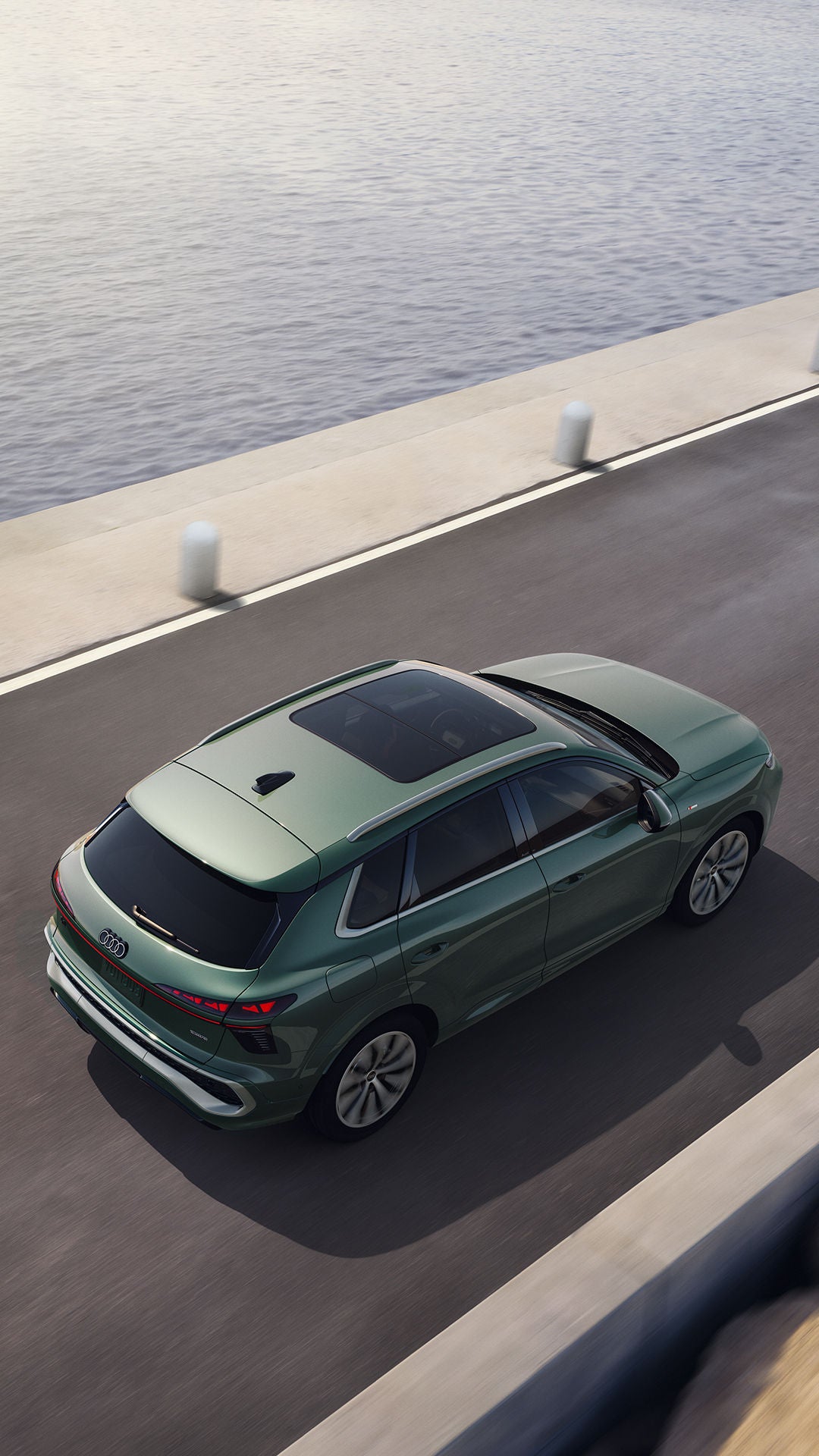
Audi Q3

Audi Four-Cylinder Engines

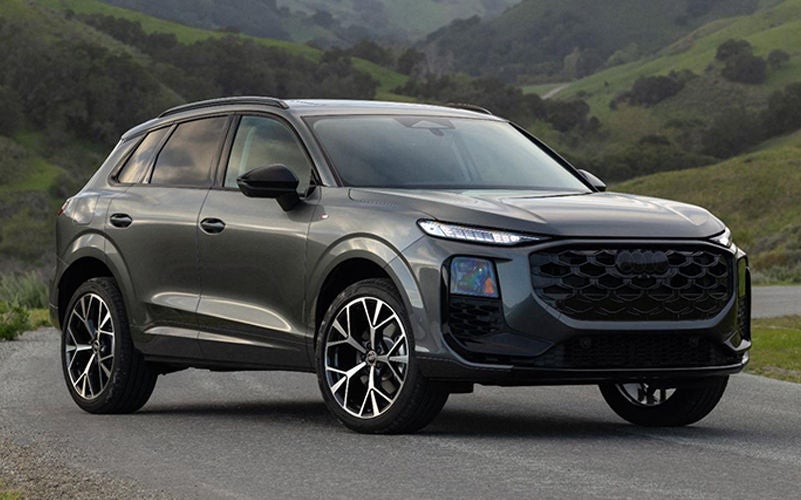
Smaller Audi models, like the A3, S3, Q3, A5, and Q5, all come with standard four-cylinder engines. Audi uses the same block architecture for all of these engines, and all of them have a 2.0-liter displacement and employ a turbocharger to add more power. However, each model has its own tune for this engine, with output ranging from 201 horsepower in the A3 to 328 horsepower in the S3. With such a wide range of outputs, this engine is going to feel very different in different vehicles. But in most cases, turbocharging is used more for consistent power delivery than for higher peak power, delivering peak torque across a wide rev band. For example, the engine in the Q3 reaches peak torque (273 lb-ft) at the relatively low engine speed of 1,650 rpm, but thanks to the turbo, it stays at that output all the way up to 4,500 rpm. Audi finds this to be more useful for usual everyday driving.

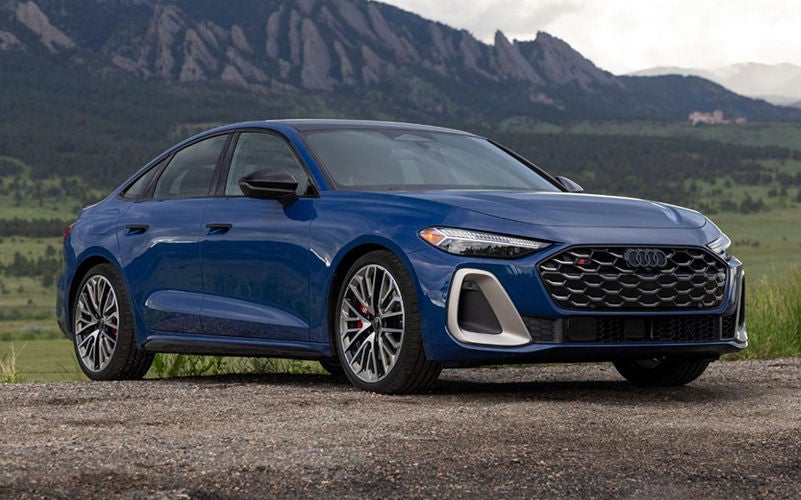
Audi RS 3

Audi Five-Cylinder Engines

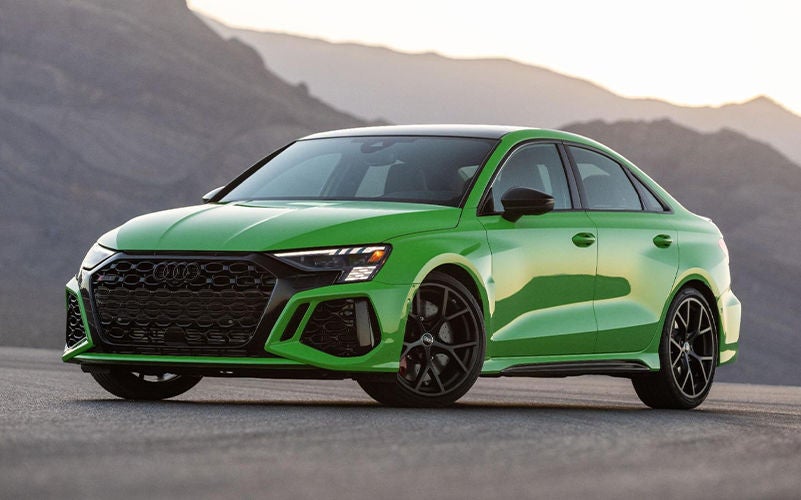
Audi is one of the few automakers to have ever offered a five-cylinder engine. These have had various mainstream applications ever since the mid-1970s, but the five-cylinder engine came into its own as a performance engine in Audi’s legendary Group B rally cars of the 80s, with some tunes reaching as much as a thousand horsepower. The five-cylinder engine disappeared for a time, but it came back as a performance engine for smaller models. Today, it is found exclusively in the RS 3, where it makes an impressive 394 horsepower and 369 lb-ft of torque.

Audi S6

Audi Six-Cylinder Engines

Audi’s 3.0-liter turbocharged V6 is used in a variety of larger models and higher-performance midsize models, such as the S5, SQ5, A6, A8, and Q8. In some of these vehicles, it produces 335 horsepower, and in some, it produces 362 horsepower. You’ll generally find the lower horsepower numbers in the larger vehicles, since peak horsepower is lowered for the sake of a wider torque band, which is more important in a heavier vehicle. There is also a new six-cylinder engine, a 2.9-liter twin-turbo V6, that is currently found exclusively in the Q7. This engine produces a massive 429 horsepower and 442 lb-ft of torque, giving the Q7 a lot more get-up-and-go than you would expect from such a large SUV.

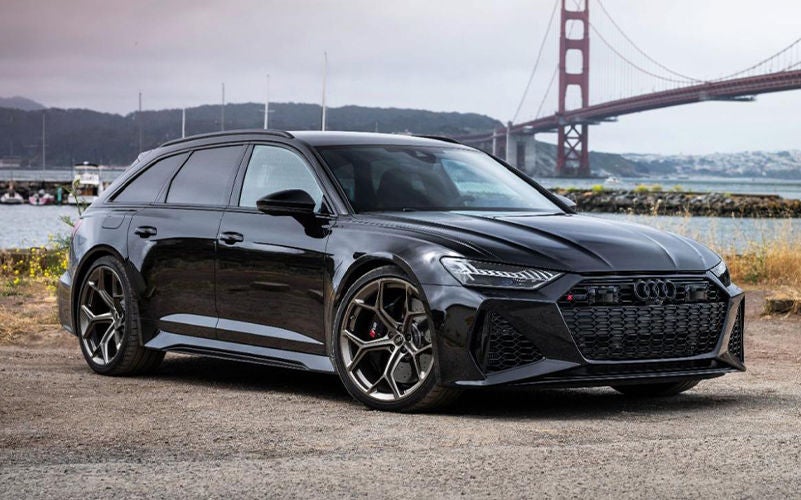
Audi RS 6 Avant

Audi Eight-Cylinder Engines

Similar to Audi’s four-cylinder offerings, every V8-powered Audi model has a 4.0-liter twin-turbo engine under the hood, just with different states of tune. These engines are found in larger performance-oriented models like the S8, SQ7, SQ8, RS 6 Avant, RS 7, and RS Q8. Power output starts at 500 horsepower in the SQ8, and goes all the way up to 631 horsepower in the RS Q8. Most of these have very specific tunes, but an easy way to remember the general breakdown is that S models have 500 to 600 horsepower, and RS models offer more than 600. This engine was initially developed by Audi, but it has seen widespread adoption by both Porsche and Bentley, and it is an extremely potent power plant.

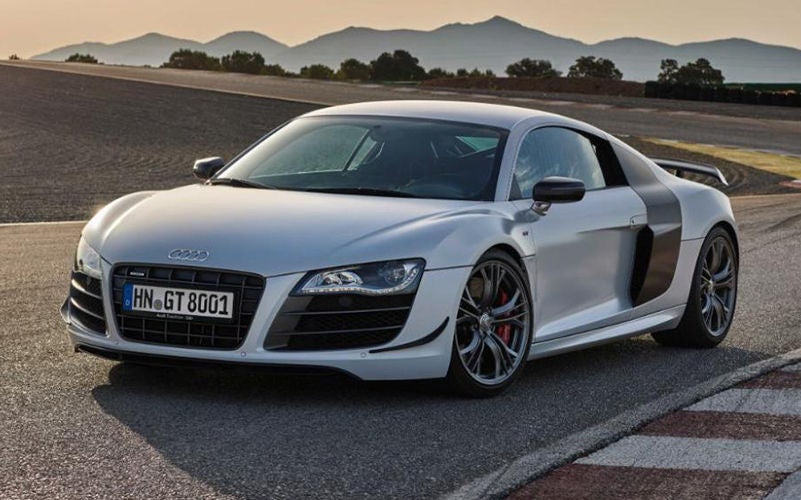
Audi R8

Audi Ten- and Twelve-Cylinder Engines

Audi no longer produces any engines with 10 or 12 cylinders, but they were produced until not all that long ago. The first of these was a W12 engine, initially developed for the Bentley Continental GT and Flying Spur. It wasn’t long before vehicles like the Audi A8 and the Volkswagen Phaeton, which shared a platform with the Bentley models, also got the W12 as an option. Essentially two narrow-angle V6s sharing a common crankshaft, the W12 was an impressive feat of engineering, but never produced enough power to justify its massive weight. A more powerful twin-turbo V10, originally designed for the Lamborghini Gallardo, would make its way to Audi via the R8 and the RS 6 Avant. In its most powerful form, this produced 602 horsepower, which is a lot, but not quite enough to keep from being made obsolete by the lighter and more powerful 4.0-liter V8 now in use.

Audi RS e-tron GT

Audi Electric Drivetrains

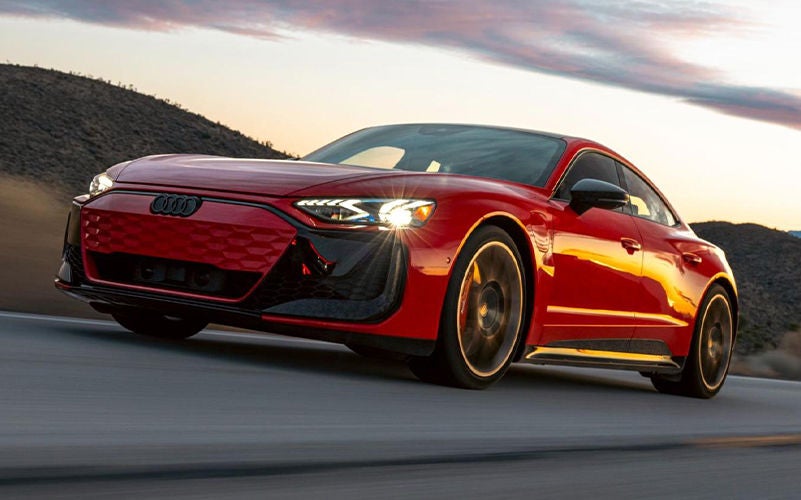
There is no simple breakdown for electric vehicle drivetrains, as each one is unique. The only exception to this rule is the Sportback versions of Audi electric vehicles, which share drivetrains with the non-Sportback versions of the same models, although not always all of the same drivetrains. What you should know is that these are powerful, with the RS e-tron GT producing 912 horsepower, for example. They’re also advanced, with Audi being one of the first manufacturers to use 800-volt battery architecture for significantly quicker charging. If you want to see the direction that competing brands will be going in the next few years, just look at what Audi is doing with EV technology today.

Loading..